
Preparing an ATV for Winter Work: More Than Just a Snow Plow
In northern climates, an ATV or UTV can be a useful winter machine. It can clear snow from a home driveway, maintain farm roads, keep access routes open around a property, move firewood, spread sand or gravel and help with small jobs that would otherwise need a tractor or a lot of manual work.
But winter use is harder on the machine than summer riding. Cold weather, wet snow, ice, road salt and repeated pushing loads all add stress. Preparing an ATV for winter should be seen as a complete setup, not only as fitting a plow blade before the first snowfall.
The most obvious tool is a snow plow. A straight blade is often enough for home and property use, while wider or more adjustable systems can be better for larger areas. The important point is not only the blade width, but the whole mounting system. The forces from pushing snow must be transferred properly into the frame. A weak or badly fitted mount can make the work unpleasant and increase wear on the ATV.
Front-mount and mid-mount systems both have their place. A front-mount plow is usually easier to attach and remove, which is useful when the ATV has several jobs during winter. A mid-mount system can offer a different working angle and force distribution. The best choice depends on the vehicle, the amount of snow and how often the plow is used.
A winch is commonly used to lift and lower the plow, but for regular work, hydraulic or electric-assisted systems can make a large difference. When snow clearing becomes a daily task, comfort and control matter. Being able to adjust equipment without stepping off the machine saves time and reduces strain, especially in poor weather.
Traction is another part of the winter setup. Good tyres are important, but they are not the whole story. Weight distribution, tyre pressure, ground conditions and riding technique all affect how well an ATV can push snow. A heavy plow on the front can change how the machine behaves. If the ATV struggles for grip, adding weight, using chains where suitable or choosing a different clearing pattern may help.
Underbody protection should not be forgotten. Snow hides stones, frozen ruts, kerbs, roots and uneven ground. When clearing unfamiliar areas, the bottom of the ATV can take hard impacts. A proper skid plate system protects the machine from damage that may otherwise go unnoticed until later.
For icy yards and sloped areas, a spreader can be as useful as a plow. Sand, gravel or salt spreading helps make access roads, farmyards and parking areas safer. On larger properties, being able to clear and treat surfaces with the same vehicle can save a lot of time.
Battery condition, winch cable, electrical connections, grease points, coolant, tyres and lighting should all be checked before regular winter use starts. Cold weather often reveals weak batteries and poor connections at the worst possible time.
It is worth preparing before winter arrives properly. Once heavy snow is already on the ground, fitting equipment and solving small technical issues becomes much less pleasant.
A well-prepared ATV does not replace a tractor or a professional snow-clearing machine in every situation. But for many homes, farms, forest roads and smaller business properties, it can be a flexible and cost-effective winter tool. The key is to think of the machine as a system: plow, mounting, traction, protection, spreading and maintenance all working together.
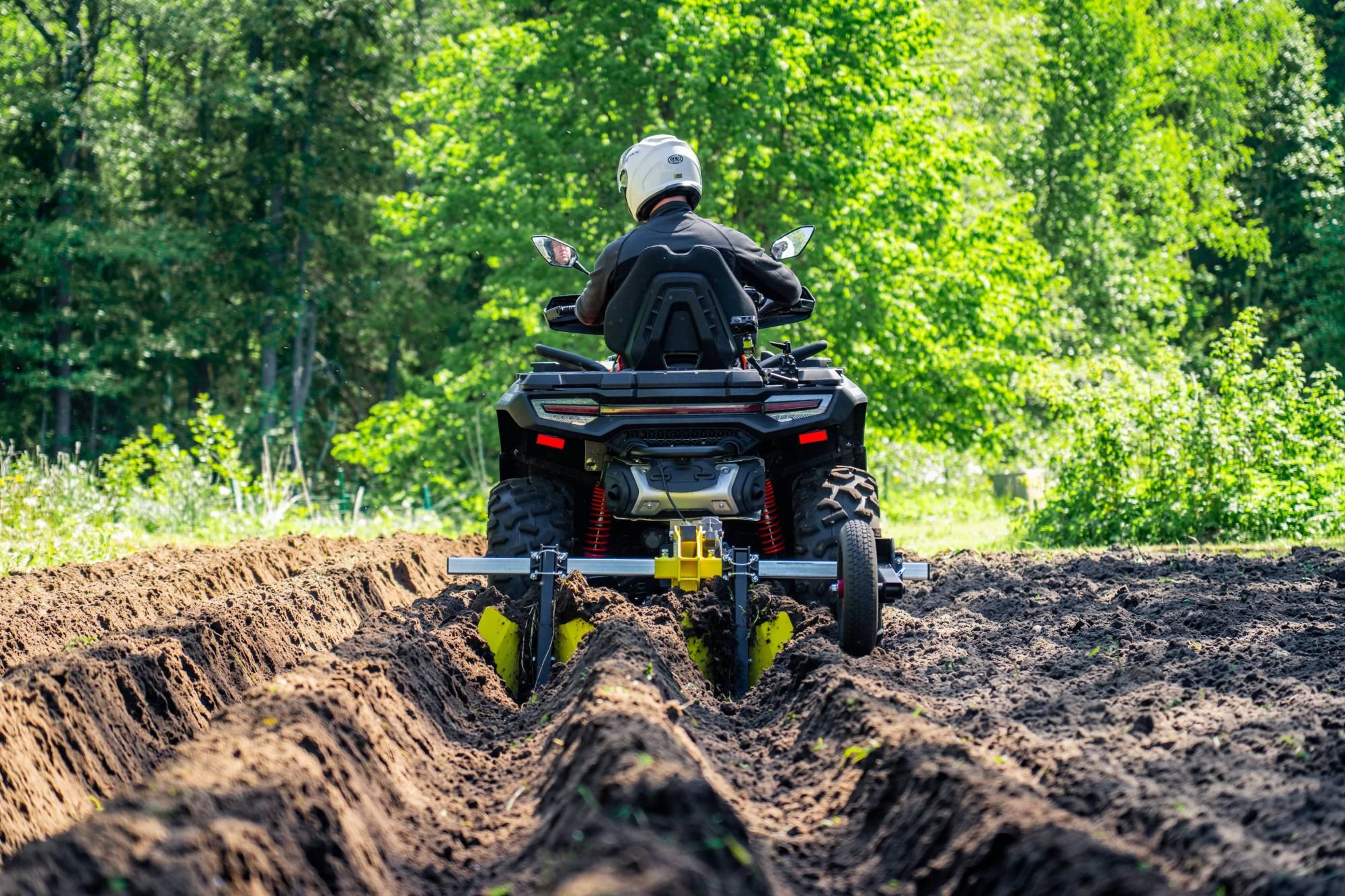
Why Small Farms Still Need Small Machines
Modern agriculture often brings to mind large tractors, wide implements and fields measured in hundreds of hectares. That equipment has its place. But not every farm, stable, rural property or landowner works on that scale.
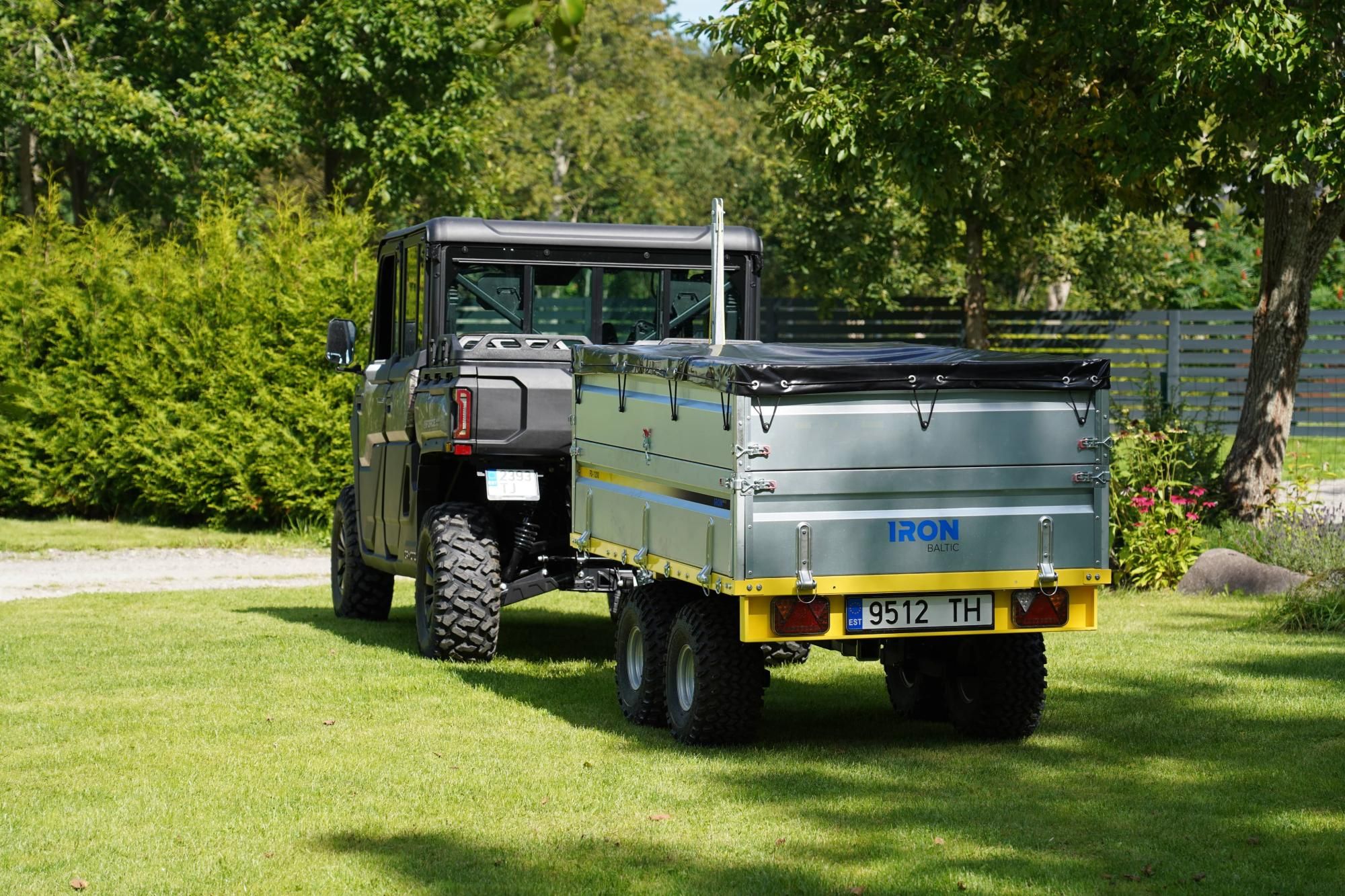
ATV Trailers: What Load Capacity Does Not Tell You
When comparing ATV and UTV trailers, load capacity is usually the first number people look at. It is easy to understand and easy to compare. A 500 kg trailer sounds smaller than a 1200 kg trailer, so the choice may seem simple.
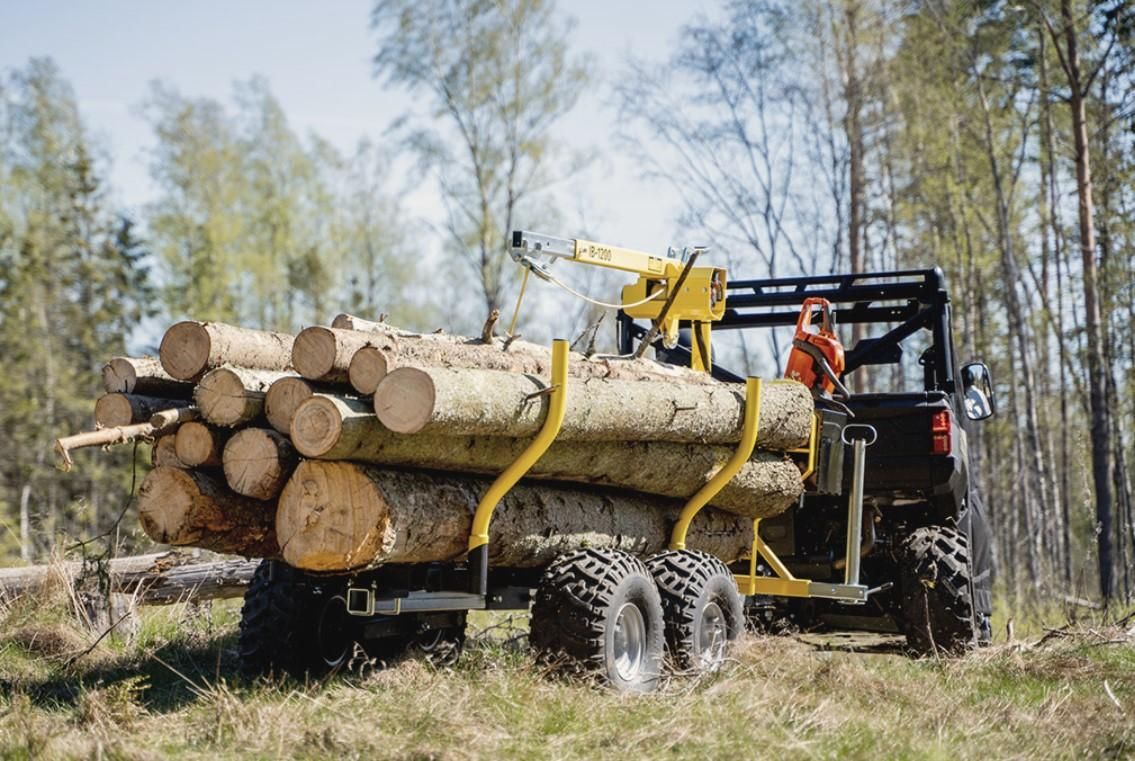
Working in the Forest With an ATV: What to Consider Before Adding Equipment
An ATV can be a very useful forestry machine, especially on private land, small woodlots and narrow forest tracks where larger machinery is not practical. It can move tools, pull a timber trailer, transport firewood, help clear paths and support maintenance work in places where access is limited.