
Front-Mount, Mid-Mount and V-Plows: Understanding ATV Snow Plow Systems
An ATV snow plow looks simple from a distance: a blade in front of the machine, pushing snow out of the way. In practice, the plow system behind the blade has a big effect on how the machine works, how easy it is to use and how well it suits different jobs.
The three common types are front-mount plows, mid-mount plows and V-plows. Each has its own strengths.
A front-mount plow attaches to the front part of the ATV or UTV using a suitable adapter and push frame. Its main advantage is convenience. In many cases, it is easier to attach and remove than a more central system, which matters when the machine is used for several jobs during the winter. For home driveways, yards, parking areas and regular property maintenance, a front-mount system can be a very practical choice.
Because the attachment point is closer to the blade, the front-mount setup can feel direct and easy to handle. It is often well suited for users who need to clear snow frequently but do not want the plow system to dominate the machine all season. If the ATV is also used for towing, carrying tools or riding between areas, easy removal becomes useful.
A mid-mount plow attaches further back underneath the vehicle. This can distribute forces differently through the machine and may offer good stability in heavier work. Mid-mount systems are often used by people who want a robust plowing setup and are less concerned about removing the system quickly. The exact benefit depends on the ATV model, the adapter and the type of work.
For larger areas or more varied snow conditions, a V-plow can be worth considering. Instead of a single straight blade, a V-plow has two wings that can be positioned in different angles. It can cut through deeper snow in a V position, push snow to one side or form a scoop shape to carry snow forward. This flexibility is useful when clearing larger yards, farm roads or areas where snow needs to be moved in a more controlled way.
The choice should start with the work, not the blade. A small home driveway and a long rural access road are different jobs. So are a farmyard, a commercial parking area and a forest track. The snow depth, available turning space, surface type and frequency of use all affect what system makes sense.
Blade width also needs to match the machine. Wider is not always better. A wider blade clears more area per pass, but it also creates more resistance and requires more traction. A smaller ATV may struggle with a large blade in wet, heavy snow. A UTV or larger ATV can usually handle more, but even then, traction and control remain important.
Mounting quality is critical. Snow plowing creates repeated shock loads. The system must fit properly and transfer force into the machine in a controlled way. A poor mounting setup can cause wear, bending or damage over time.
Finally, the plow is only one part of the winter setup. Good tyres, a working winch or lift system, proper lighting, skid plates and regular maintenance all contribute to reliable winter use.
Choosing between front-mount, mid-mount and V-plow systems is not about finding one universal answer. It is about matching the machine to the work and making winter maintenance less difficult, one snowfall at a time.
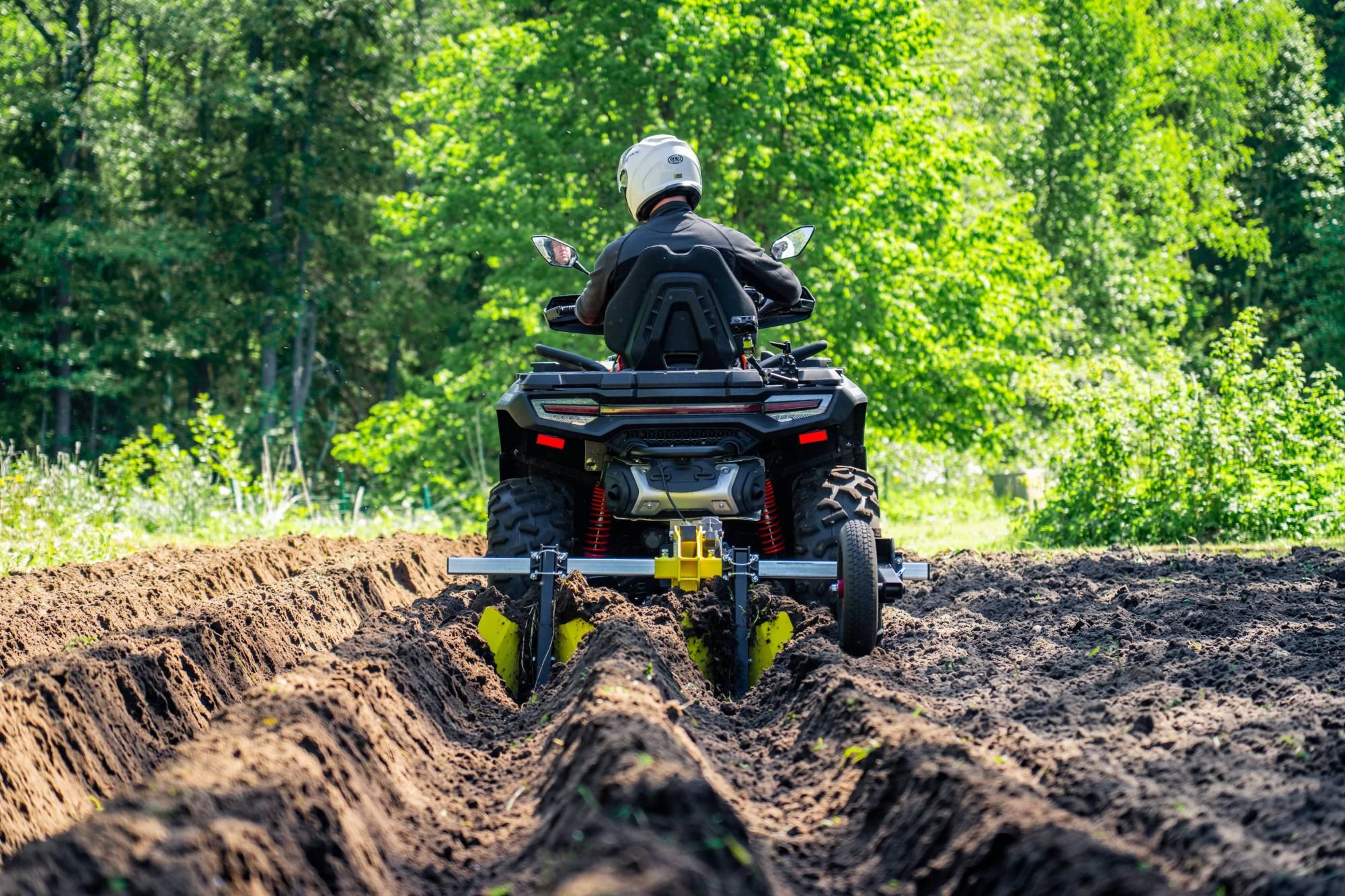
Why Small Farms Still Need Small Machines
Modern agriculture often brings to mind large tractors, wide implements and fields measured in hundreds of hectares. That equipment has its place. But not every farm, stable, rural property or landowner works on that scale.
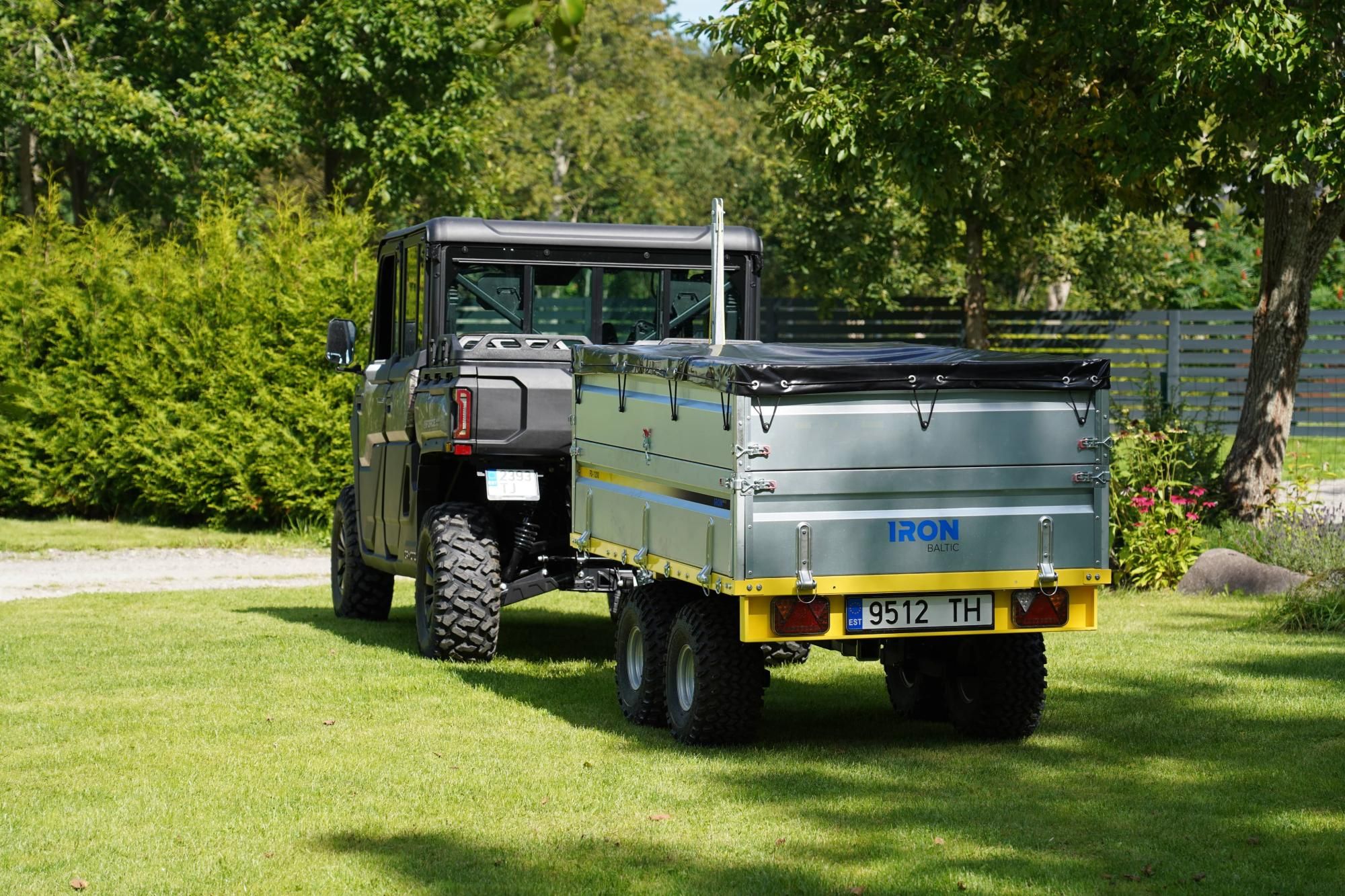
ATV Trailers: What Load Capacity Does Not Tell You
When comparing ATV and UTV trailers, load capacity is usually the first number people look at. It is easy to understand and easy to compare. A 500 kg trailer sounds smaller than a 1200 kg trailer, so the choice may seem simple.
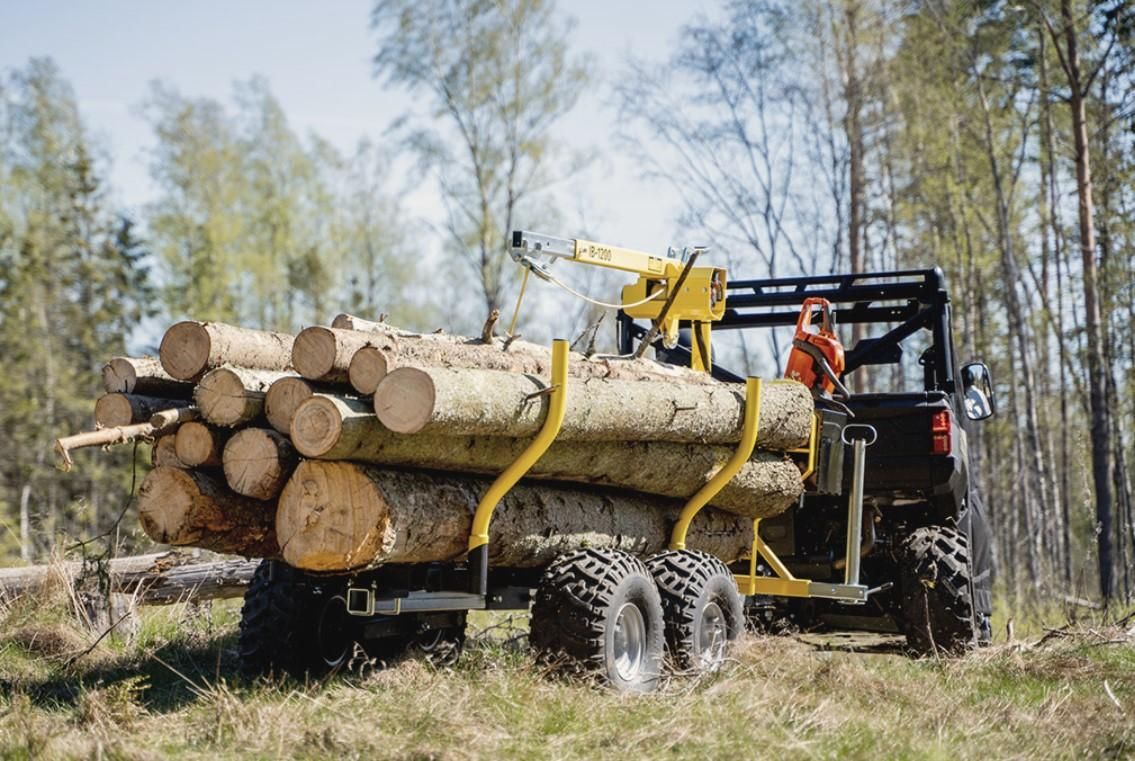
Working in the Forest With an ATV: What to Consider Before Adding Equipment
An ATV can be a very useful forestry machine, especially on private land, small woodlots and narrow forest tracks where larger machinery is not practical. It can move tools, pull a timber trailer, transport firewood, help clear paths and support maintenance work in places where access is limited.